Learn what a 240V outlet project involves, from appliance needs and panel capacity to permits, inspections, and choosing a qualified residential electrician.
Searching for how to install 240v outlet usually means a new appliance or home upgrade needs a different power connection. The safe answer is not a do-it-yourself wiring sequence: a 240-volt circuit must be matched to the equipment, checked against the home's electrical capacity, and installed and inspected according to local requirements. Planning the project with a qualified residential electrician helps avoid unsafe assumptions and costly changes.
Get a Free Electrical Estimate
What does a 240V outlet project involve?
A 240V outlet supplies power for equipment designed to use that voltage. Depending on the home and the appliance, the project may involve a new circuit, a suitable receptacle, a wiring route, and work at the electrical panel. The outlet itself is only the visible endpoint. The circuit behind it must also be appropriate for the equipment and the building's existing electrical system.
Some common reasons homeowners ask about a 240V connection include an electric clothes dryer, range, workshop equipment, or an electric vehicle charging setup. Those examples do not all use the same electrical requirements. Voltage, current demand, plug or connection type, installation location, and manufacturer instructions vary by model. A socket that looks similar to another one is not proof that it is a safe or compatible substitute.
That is why "install a 240V outlet" is not one universal project. A qualified professional needs to understand what will be connected and assess the home before recommending a solution. AllFix provides residential electrical services; its electrical work is for homes, not commercial or industrial sites.
What should you identify before requesting an estimate?
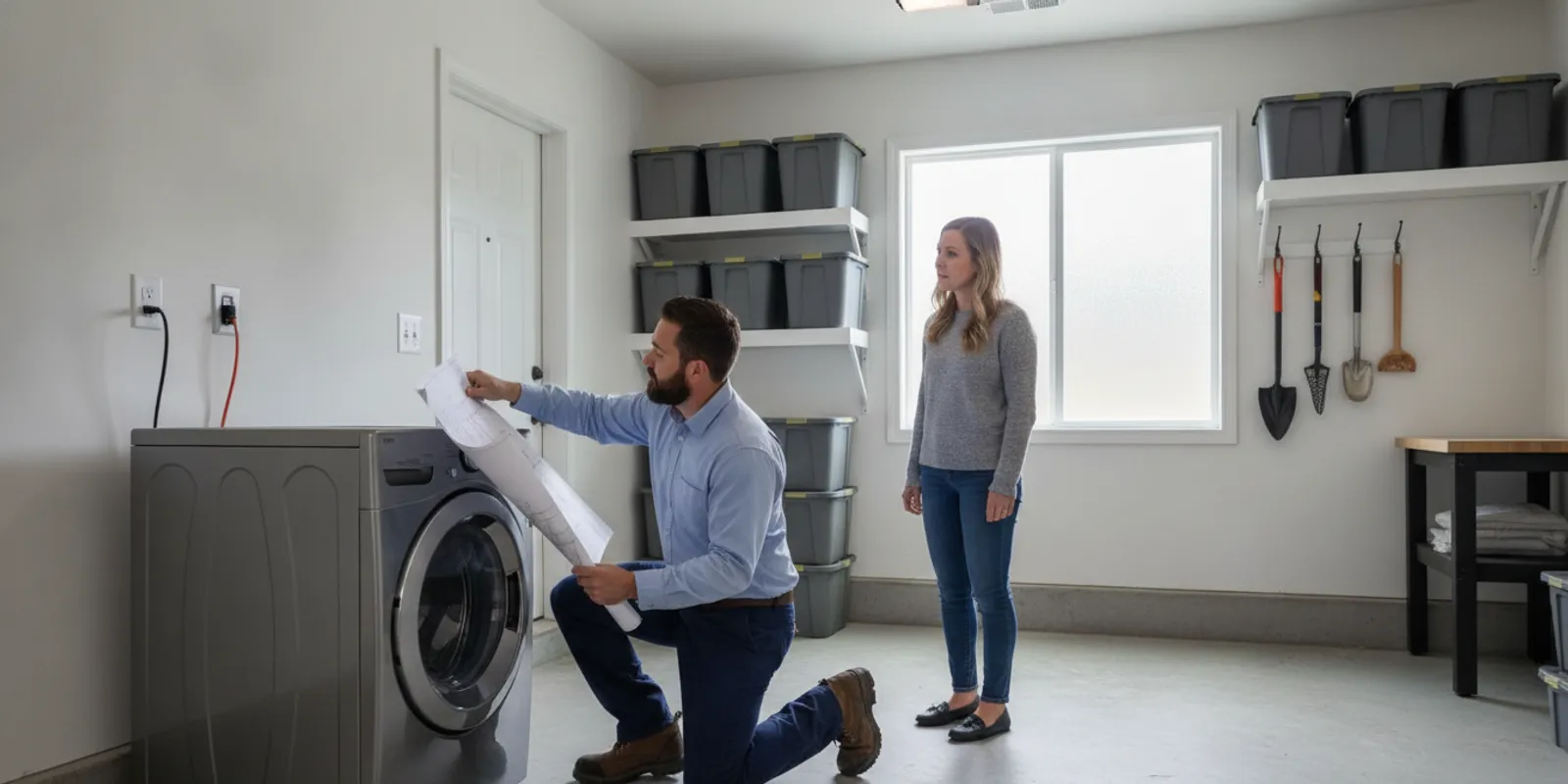
Gather basic information about the appliance and where you want to use it. You do not need to open a panel or remove an existing outlet to collect these details. The equipment label, owner's manual, or manufacturer documentation may identify the electrical supply and connection requirements. If the instructions are unclear, ask the electrician to review them.
- Equipment make and model: This helps the electrician find the correct manufacturer specifications instead of making assumptions from the appliance category.
- Power requirements: Share the voltage, rated current or circuit requirement, and any connection details listed by the manufacturer. Do not guess these values.
- Intended location: Note the room, garage, or other residential area and how far the equipment will be from the panel, if you know. Do not measure by opening walls or electrical equipment.
- How the equipment will be used: Explain whether it is a replacement appliance, a new addition, or part of a planned renovation. The timing and other work at the property can affect coordination.
- Existing electrical information: Tell the electrician about known panel upgrades, renovations, tripped breakers, or electrical concerns. Leave any inspection of the panel or wiring to a professional.
Photos of the appliance label and the proposed location can help start the conversation, provided you take them from a safe position without removing covers. A clear description is more useful than a guess about what size breaker, wire, or receptacle is needed. The electrician can confirm what further information is necessary during the assessment.
It also helps to distinguish what you know from what you are unsure about. For example, you might know the appliance model and the wall where you want it installed, but not whether the panel can support it or how the wiring route would work. Write down those questions rather than trying to diagnose them. If the project is part of a purchase or remodel, share the expected equipment delivery or construction timeline so the electrical work can be considered before access is closed off.
Why does the panel and circuit capacity matter?
A home's electrical system has limits. Adding a high-demand appliance may require a new dedicated circuit, but whether that is feasible depends on the existing panel, service, loads, wiring paths, and the equipment's specifications. A panel with apparently open spaces does not automatically have capacity for another load. Conversely, a planned upgrade does not automatically mean the entire panel must be replaced. The answer depends on an in-person evaluation.
Electrical professionals assess the existing conditions and determine whether the proposed work can be supported as planned. They may need to consider the panel and service, other large loads in the home, circuit protection, conductor suitability, and the route to the outlet. If the desired location is far from the panel or access is limited, that can influence the scope and the work involved. Concealed conditions may only become clear after an approved plan is underway.
Think about a simple planning comparison: placing a new appliance close to an accessible panel may present different routing questions than putting equipment on the opposite side of a finished home. Neither situation can be priced or approved from distance alone. The electrician needs to consider the actual route, the building construction, existing loads, and the equipment requirements. In a remodel, the same proposed connection may be easier to coordinate while walls are already open, but that does not remove the need for a proper evaluation.
Do not try to resolve capacity questions by moving wires, changing a breaker, or using a different outlet. A breaker is part of a safety system, not an upgrade knob. Using parts that do not match the circuit or connected equipment can create overheating, shock, or fire hazards. Stop using any outlet or circuit that appears damaged, smells hot, sparks, or repeatedly trips, and seek professional help.
If you are planning a home improvement project at the same time, mention it early; AllFix's remodeling services include kitchen, bathroom, and basement projects, where electrical planning may need to be coordinated with the overall scope. ENERGY STAR's home electric-ready guidance notes that circuit or outlet upgrades may be needed where future electric equipment will be placed. Coordinating electrical planning with a remodel can help identify locations and access needs before finishes are complete, but the electrician must still determine the requirements for the particular home and equipment.
When more than one large appliance is planned, describe the full set of changes rather than asking about one outlet in isolation. A dryer replacement, new range, or future charging equipment can affect the overall planning conversation. The professional can evaluate the proposed work in context and explain whether each item is part of the same scope or needs separate consideration. That gives you a more useful estimate and reduces the chance that a project is planned around an incomplete picture.
How do you choose the right outlet and location?
The right connection is determined by the appliance specifications, applicable electrical requirements, and the home's conditions, not by choosing a receptacle based on appearance alone. Different equipment can call for different current ratings, receptacle configurations, or other connection methods. Some installations may use a hardwired connection rather than a plug-in receptacle. The manufacturer's instructions and local requirements guide the decision.
Location also matters. The outlet must be positioned so the appliance can connect as intended, while accounting for the room layout, access, cord or connection requirements, and any environmental conditions. A location that is convenient today may be blocked by cabinetry, shelving, a vehicle, or a future renovation. For equipment installed in a garage or utility area, discuss how the space is used and any relevant exposure or access concerns with the electrician.
Bring up practical questions during planning:
- Will the proposed location work with the equipment's connection and the manufacturer's instructions?
- Could storage, doors, cabinets, or future work make the outlet difficult to reach?
- Will the proposed route require access through finished walls, ceilings, or other areas?
- Does the project include replacing an existing connection or adding a new one?
- Are there other electrical changes that should be assessed at the same time?
These are planning questions, not instructions for placing or wiring an outlet. A site visit helps the professional account for details that a photo or phone description cannot show.
Consider how the space will work after installation, not only where the appliance sits today. A garage may need room for a vehicle door to open, while a laundry area may have limited clearance behind the machine. If you expect to add shelving, cabinets, or other equipment, point that out during the visit. The electrician can consider access and placement alongside the electrical requirements, and you can discuss practical preferences before the scope is set.
Do you need a permit or inspection?
Permit and inspection requirements depend on the location and the scope of the work. Do not assume that a project is exempt because it involves one outlet or because a similar job elsewhere did not require a permit. Ask the electrician who is responsible for confirming the requirements with the authority having jurisdiction and arranging any required inspection.
Before work begins, clarify what the estimate includes. Ask whether permit applications, inspection coordination, patching or finish repair, and any related panel work are included or handled separately. The answer may vary with the project. A clear scope helps you understand what is planned and which items could affect the final work.
AllFix uses a free-estimate model rather than publishing a set price for every installation. Its residential electrical team can review the proposed work and explain the estimate for your home. You can also review the company's service areas to confirm local coverage. The service footprint and availability of a particular service may vary by city.
For a useful estimate, describe the desired result and ask what assumptions it depends on. You can ask who confirms permit needs, whether inspection coordination is part of the plan, and how concealed conditions would be handled if discovered. These questions do not require you to know building-code details. They help make the scope understandable before work starts and clarify when you should expect to review a change.
What happens during professional installation?
The precise work varies, but a typical project follows a planning and verification process. It is useful to know the broad stages without attempting the electrical work yourself.
- Review the equipment: The electrician checks manufacturer requirements and discusses the intended use and location.
- Assess the existing home system: The professional evaluates relevant electrical conditions and identifies whether the planned load and connection can be supported.
- Define the scope: You discuss the proposed outlet or connection, circuit needs, route, access, finish work, and any related upgrades.
- Confirm local requirements: Permit and inspection needs are checked for the property and specific work.
- Complete the work and verify it: The electrician performs the installation and any required checks or inspections before the equipment is put into service.
Ask what you should do before the appointment, such as clearing access to the work area. Avoid dismantling equipment or electrical components to prepare. If the electrician finds an unexpected condition, request an explanation of how it affects the scope and whether approval is needed before proceeding.
It is reasonable to ask what will be unavailable while work is underway, whether the work area should be kept clear, and how the finished connection will be checked. The answers depend on the home's layout and the specific project. If an inspection is required, ask how that step fits into the schedule and whether the equipment should wait to be used until any required checks are complete. Confirming these points in advance helps you plan around the work without taking on any electrical tasks yourself.
How can you compare estimates?
Two estimates are easier to compare when each describes the same equipment, location, and intended outcome. A low total may not represent the same work as another estimate. Instead of comparing only a bottom-line figure, check whether the important scope details are addressed.
- Connection and circuit: Does the estimate describe the proposed outlet or connection and the circuit work included?
- Panel or service work: Does it state whether an evaluation or upgrade is included, excluded, or dependent on further findings?
- Installation route and access: Does it account for the intended location and any known access challenges?
- Permits and inspection: Does it explain who will confirm and coordinate requirements, where applicable?
- Finish work: Does it say whether wall or surface repair after electrical access is included?
- Assumptions and changes: Does it explain what happens if concealed conditions or equipment requirements differ from what was first understood?
Share the same equipment details and location with each contractor, and ask for clarification on any difference in scope. AllFix is a locally owned, licensed, bonded, and insured multi-trade contractor serving Grant and Adams Counties. Homeowners can also use its contact page to request a free estimate and explain the project.
For instance, one estimate may include only a proposed connection while another may describe panel-related work, permit coordination, and finish repair. Those are not automatically equivalent scopes, even if each uses a similar short description such as "240V outlet." Ask what is included, what is excluded, and what would trigger a revised estimate. Keep a copy of the appliance documentation and the written scope together so you can refer back to the assumptions if plans change.
Do not choose an estimate based on a promise that skips the assessment or treats every home as the same. A careful estimate should explain what is known, what must be checked, and how the recommended work relates to the equipment you intend to use. If two proposals are difficult to compare, ask each provider to describe the final connection and the responsibilities included in plain language.
What should you avoid doing yourself?
A 240V project is not a safe place to learn electrical work by trial and error. Do not remove a panel cover, handle conductors, modify a breaker, install a receptacle, or energize a new connection based on an online diagram. Pictures and general instructions cannot confirm the wiring, circuit protection, condition, or local requirements in your home.
Also avoid using an adapter or extension cord as a substitute for a proper installation unless the equipment manufacturer specifically allows the arrangement and a qualified professional confirms it is suitable. Do not force a plug into a receptacle or rely on a matching shape to establish compatibility. If an existing outlet is loose, discolored, warm, damaged, or producing an unusual smell or sound, stop using it and contact a professional. If there is an immediate danger, keep people away and contact the appropriate emergency service.
These precautions are especially important when a project is connected to an appliance that draws substantial power or will operate for long periods. A properly planned installation considers the complete circuit and equipment, rather than just whether a plug can be inserted.
Homeowners can still play a useful role without touching electrical components. Gather the model number, explain how you expect to use the appliance, identify a preferred location, and share known renovation or panel history. Keep the path to the work area clear when an appointment is scheduled. Leave diagnosis, component selection, installation, and testing to the qualified professional responsible for the project.
Frequently asked questions
Can I install a 240V outlet myself?
This article does not provide do-it-yourself wiring instructions. A 240V installation involves hazards and home-specific requirements that cannot be assessed from a general guide. Have a qualified residential electrical professional evaluate the equipment, circuit, and location, and confirm the applicable local requirements.
Does every 240V appliance use the same outlet?
No. Appliances can differ in electrical demand and connection type. Check the exact model's documentation and have the electrician identify the appropriate connection. Never assume two outlets are interchangeable because they look alike.
Can an existing outlet be changed to 240V?
Do not assume that an existing outlet or circuit can be converted. The wiring, circuit protection, panel capacity, intended load, and equipment requirements all need professional review. An electrician can explain whether the existing setup is suitable or what work may be needed.
How long does installation take?
Timing depends on the home's electrical conditions, the route to the proposed location, access, equipment requirements, and any permit or inspection steps. Ask for a project-specific schedule after the electrician has assessed the work; a general online estimate cannot account for those variables.
Does AllFix install 240V outlets for businesses?
No. AllFix's electrical services are for residential properties only. Business owners who need electrical work should contact a contractor whose scope includes the appropriate commercial electrical services.
Request a Free Electrical Estimate
A safe 240V project starts with the appliance requirements and a professional assessment of the home's electrical system. With a clear scope, the right connection, and local requirements confirmed, you can plan the work without taking on hazardous wiring yourself.
Tell Us About Your Project
Fill out the form below and we'll contact you within 1 business day.