Learn what can change the cost to install 240v outlet in a Washington home, from panel capacity and wiring access to permits, and prepare for a free estimate.
A 240V outlet can support equipment that a standard household outlet cannot, but the installation is not priced by the outlet alone. The electrical panel, distance to the new outlet, wiring route, and access through walls or unfinished areas can all change the work involved.
Request a free electrical estimate from AllFix and share the outlet location and intended use.
The cost to install 240v outlet depends on the home's available electrical capacity, the outlet's intended use and amperage, the distance from the panel, required materials, and any permit or panel-related work. A free, site-specific estimate is more useful than a generic number because it accounts for the actual conditions in your home.
Before requesting an estimate, note where the outlet will go, what equipment it will serve, and how the proposed route connects to the panel. Understanding how these details shape the scope makes the estimate easier to review and helps you ask practical questions about the project.
What Shapes the Cost to Install 240v Outlet?
There is no reliable one-size-fits-all answer. The cost to install a 240V outlet depends on the equipment, the electrical panel, the distance to the outlet, and how easily the wiring can be routed. A short, accessible installation can have a very different scope from a project that requires panel work and extensive wire routing.
Project Factors That Shape a 240V Outlet Installation Estimate
- Panel capacity: Whether the existing panel has the required capacity and open spaces for the circuit. A full panel may require a panel upgrade or subpanel installation before the outlet can be added.
- Circuit requirements: The appliance, EV charger, or other equipment requirements, including the needed amperage. A dryer circuit may have different requirements from a higher-capacity EV charging circuit.
- Route and distance: How far the outlet is from the panel and whether the route is open or difficult to access. A longer route uses more wire. Walls, attics, outdoor runs, and exposed areas may add fishing, conduit, materials, or labor.
- Installation environment: Whether the outlet is indoors, outdoors, or near an area with special protection requirements. The electrician may need additional protective methods or equipment appropriate to the location.
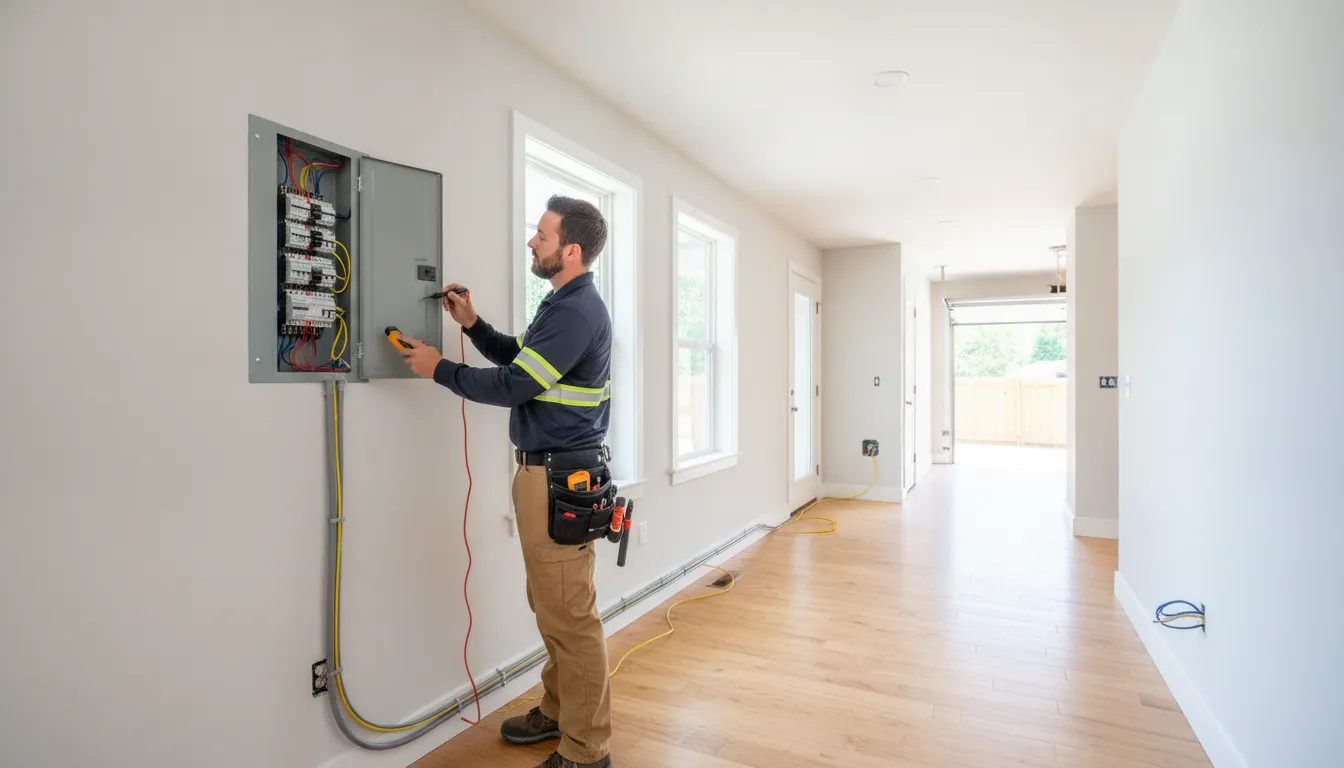
For example, imagine a homeowner needs a 240V outlet in a garage close to a panel with available capacity. That may be a more contained project than installing the same type of outlet on the opposite side of the home, where the wire must travel through finished walls and an attic. If the panel is already full, the second project may also require a panel upgrade or subpanel. The outlet itself has not changed, but the electrical and access conditions have expanded the work.
AllFix does not publish generic prices because each residential electrical project needs its own review. For a clear scope, request a free, project-specific estimate through AllFix's contact page or review its residential electrical services. The estimate can account for the intended equipment, panel condition, route, and installation location.
Why Panel Capacity Changes the Estimate
A 240V outlet is not evaluated in isolation. The existing electrical panel, service size, available breaker space, and the home's current demand all help determine whether the new circuit can be added as planned. A panel may have open spaces, but that does not automatically mean it has enough capacity for the intended load.
For example, a higher-amperage outlet can represent a substantial new demand on a smaller residential panel. The electrician may need to review the panel's rating, the existing breakers, and the equipment already connected before confirming the installation approach. This is one reason the available electrical capacity matters when planning a 240V outlet.
That review can include a load calculation. Washington's load-calculation guidance distinguishes the connected load after required adjustment factors are applied, rather than simply adding every device at its maximum rating. The calculation is expressed in kVA and converted to amps when sizing feeders and equipment. This gives a qualified residential electrician a more useful basis for evaluating the proposed circuit.
Depending on the findings, the work may involve an appropriate breaker and circuit installation, or it may require additional panel work. A panel upgrade is not automatic, and it should not be assumed from the outlet voltage alone. The scope depends on the home's electrical system and the equipment you plan to operate.
AllFix provides licensed residential electrical installation and evaluates the existing system as part of defining the work. Share the outlet's intended use and any available panel information when requesting an estimate. A qualified electrician can then assess the system safely without relying on a generic cost figure or a homeowner's own panel test.
How the Cost to Install 240v Outlet Changes With Distance and Access
The outlet location is only one part of the installation plan. The electrician also needs to evaluate the route from the electrical panel, the condition of the access points, and the protection required for the wiring. These details can change the amount of material, preparation, and labor involved.
Common route conditions include:
- Short, open route: A nearby outlet location with accessible framing may require less cable and fewer access steps.
- Long indoor run: More distance means more wire and more labor. A published installation guide identifies route distance and panel capacity as key variables, and notes that each additional foot of larger-gauge wire affects material and labor needs. See the route factors behind a 240V installation.
- Finished walls: Fishing wire through finished walls can require careful access, limited openings, and repair planning. The work is different from running cable through open framing.
- Attics and crawlspaces: These areas may provide a route, but tight clearances, insulation, framing, and safe working access can add preparation and labor.
- Exterior or exposed route: Wiring exposed to weather or physical damage may need conduit and other protective measures rather than an unprotected cable run.
Panel capacity matters alongside distance. A new 240V circuit may need space for the appropriate breaker. If the panel is full, the project could require a different solution, such as a subpanel or panel upgrade, instead of simply adding an outlet.
The connected equipment also affects the scope. A dryer, range, workshop tool, or EV charger may have different circuit requirements. Share the equipment specifications, preferred outlet location, and a clear photo of the panel when requesting an estimate. For residential outlet installation and dedicated 240V circuits, review AllFix residential electrical services.
AllFix uses project-specific estimates rather than publishing a single price for every installation. An on-site or photo-based review can account for the actual route, access conditions, panel configuration, and equipment requirements.
Which Outlet and Equipment Details Matter?
The intended use helps determine what kind of outlet and electrical scope the project may require. A 240V outlet for a particular appliance may have different requirements than one intended for workshop equipment or an electric vehicle charger. Sharing the equipment name, installation instructions, or manufacturer requirements, when available, gives the electrician a clearer starting point without relying on assumptions.
Amperage and outlet configuration
Amperage is one of the key details in assessing the work. The equipment's maximum amperage can influence the circuit, breaker, wiring, and outlet configuration that need to be evaluated. For EV charging, charger features and maximum amperage can also affect the equipment scope, according to this charging-equipment guide. The correct configuration should follow the equipment requirements and the home's electrical conditions, rather than a homeowner choosing an outlet based only on appearance.
Dedicated circuits and the equipment location
Many 240V uses call for a dedicated circuit so the equipment has an appropriate electrical supply. The assessment should account for the distance between the outlet and the panel, since amperage and distance both influence wiring and installation requirements. The panel's location and the route to the proposed outlet matter as well. Especially when the equipment will be installed in a garage, exterior area, or another space separated from the panel.
EV charging is one residential use case. AllFix describes its EV charging installation as including a dedicated 240V circuit, and its electrical work is residential only. You can review its residential electrical services for more context. Bring the charger's specifications and intended location to the estimate so the electrician can evaluate the complete scope.
These details help explain the cost to install 240v outlet without guessing at a generic price. A free, project-specific estimate can account for the outlet type, amperage, equipment, distance, and existing electrical conditions together.
How Washington Permits and Inspections Fit In
Permits and inspections are part of defining the work, not paperwork to consider after a 240V outlet has been installed. In Washington, an electrical permit is required for most electrical work, including installing a new item or repairing or replacing an existing one. The Washington State Department of Labor & Industries explains the permit basics and why permits help support work that meets applicable safety codes and standards.
The person performing the electrical work is responsible for obtaining the permit before starting. That distinction matters when you are comparing a professional evaluation with a DIY project. A homeowner should not assume that finding a permit online makes an installation safe or transfers responsibility to someone else. Electrical panels, conductors, grounding, and circuit protection must be evaluated as part of the actual project scope.
Inspections also affect the installation sequence. Washington requires inspection to be requested before electrical work is covered. In practical terms, wiring that will be concealed in a wall, ceiling, or other finished area may need to remain accessible until the required inspection step is complete. Planning this sequence early can help avoid unnecessary removal of finished materials or delays.
For the official requirements, review the Washington electrical permit basics page. A licensed residential electrician can evaluate the intended outlet location, existing electrical conditions, access, and project sequence, then explain which permit and inspection steps apply. That professional review is different from attempting to size or install a circuit without the training and equipment to assess the risks.
What to Gather Before Requesting an Estimate
A little preparation helps a residential electrician understand the project without asking you to perform electrical work. You do not need to open the electrical panel, remove covers, test wiring, or make any changes before requesting an estimate.
- Describe what the outlet will power. Note whether the project is for an EV charger, appliance, workshop equipment, or another residential use. If you know the equipment name or have its installation instructions, keep that information available. The equipment's electrical requirements can help clarify the type of circuit the project may need.
- Identify the proposed outlet location. Share the room, wall, garage area, or exterior location where you want the outlet installed. A few clear photos from a safe position can show the surrounding space, but do not remove panels, access wiring, or enter restricted areas to take them.
- Explain the route as best you can. Mention where the electrical panel and proposed outlet are located relative to each other, even if you do not know the exact distance. Tell the electrician about finished walls, crawl spaces, attics, concrete, or other access conditions that could affect how the wiring is routed.
- Share relevant project details. Include your property address, preferred timing, and whether other remodeling or construction work is planned nearby. If you have concerns about capacity, an existing appliance, or future electrical needs, list those questions rather than attempting to inspect the system yourself.
- Request a project-specific review. AllFix uses custom project quotes rather than publishing a generic price for every installation. For licensed residential electrical service in the Moses Lake area and other qualifying locations, request a free estimate from AllFix and provide the details you gathered. Service availability can vary by city and service category.
When to Call a Residential Electrician
A 240V outlet is part of your home's electrical system, so the right time to call a licensed residential electrician is before choosing an outlet, breaker, or charging setup. The connected equipment determines the circuit requirements. A clothes dryer, workshop tool, range, and EV charger may all need different configurations, and some equipment may be better served by a dedicated hardwired circuit rather than a receptacle.
Professional help is especially important when you are unsure whether the existing panel can support the added load, when the proposed outlet is far from the panel, or when wiring must pass through finished walls, an attic, an exterior area, or a detached structure. Those conditions can change the project scope. An electrician can evaluate the route, panel capacity, protection, and connection requirements instead of treating every installation as identical.
AllFix provides licensed residential electrical work, including new outlets, dedicated 240V circuits, and EV charging installation. Review residential 240V outlet installation services to see how the work fits within the company's residential scope. AllFix's primary electrical hub is Moses Lake, while availability varies by city and service category. Check the electrical service areas in Grant County before assuming installation is available at a particular address.
Because AllFix does not publish one-size-fits-all pricing, the dependable way to understand the cost to install 240v outlet is to request a project-specific review. Share the equipment requirements, panel location, approximate outlet location, and any access limitations. Contact AllFix about your outlet project for a free estimate and clear next steps.
Contact AllFix for a free electrical estimate before scheduling residential 240V outlet work.
Frequently Asked Questions
What is included when estimating a 240V outlet installation?
An estimate may account for the outlet, wiring, breaker, panel capacity, installation location, and access to the work area. The total scope depends on the home and the intended use, so a site review is more useful than relying on a generic online price.
Can a 240V outlet be installed in a garage?
Yes, a garage can be a suitable location for uses such as equipment or vehicle charging. The electrician will evaluate the distance from the panel, available capacity, the outlet type, and how the wiring can be routed safely through the property.
Can a 240V outlet be installed outside?
Outdoor installation may be possible, but the location and equipment must be evaluated for weather exposure, routing, protection, and the intended use. Share the exact placement and what you plan to power so the estimate reflects the actual conditions.
Do I need an electrician to install a 240V outlet?
A 240V circuit involves residential electrical work and should be evaluated and installed by a qualified electrician. Do not rely on a standard outlet swap or attempt wiring without professional guidance. AllFix can review the project and provide a free estimate for residential properties.
Get Started With a Clear Estimate
The right project scope depends on your home's existing electrical setup, the outlet location, and how the space will be used. Sharing those details helps make the estimate more useful and gives you a clearer picture of the work involved. When you are ready, request a free electrical estimate from AllFix for your residential 240V outlet project.
Tell Us About Your Project
Fill out the form below and we'll contact you within 1 business day.